What it costs to skip stock photography on a healthcare rebrand (and why it pays back)
Most healthcare websites lean on stock photography. Smiling generic seniors in soft focus. Real photography costs more upfront and pays back across years of campaigns. Here's the math we ran on Village Place, and why we shoot every facility from scratch.
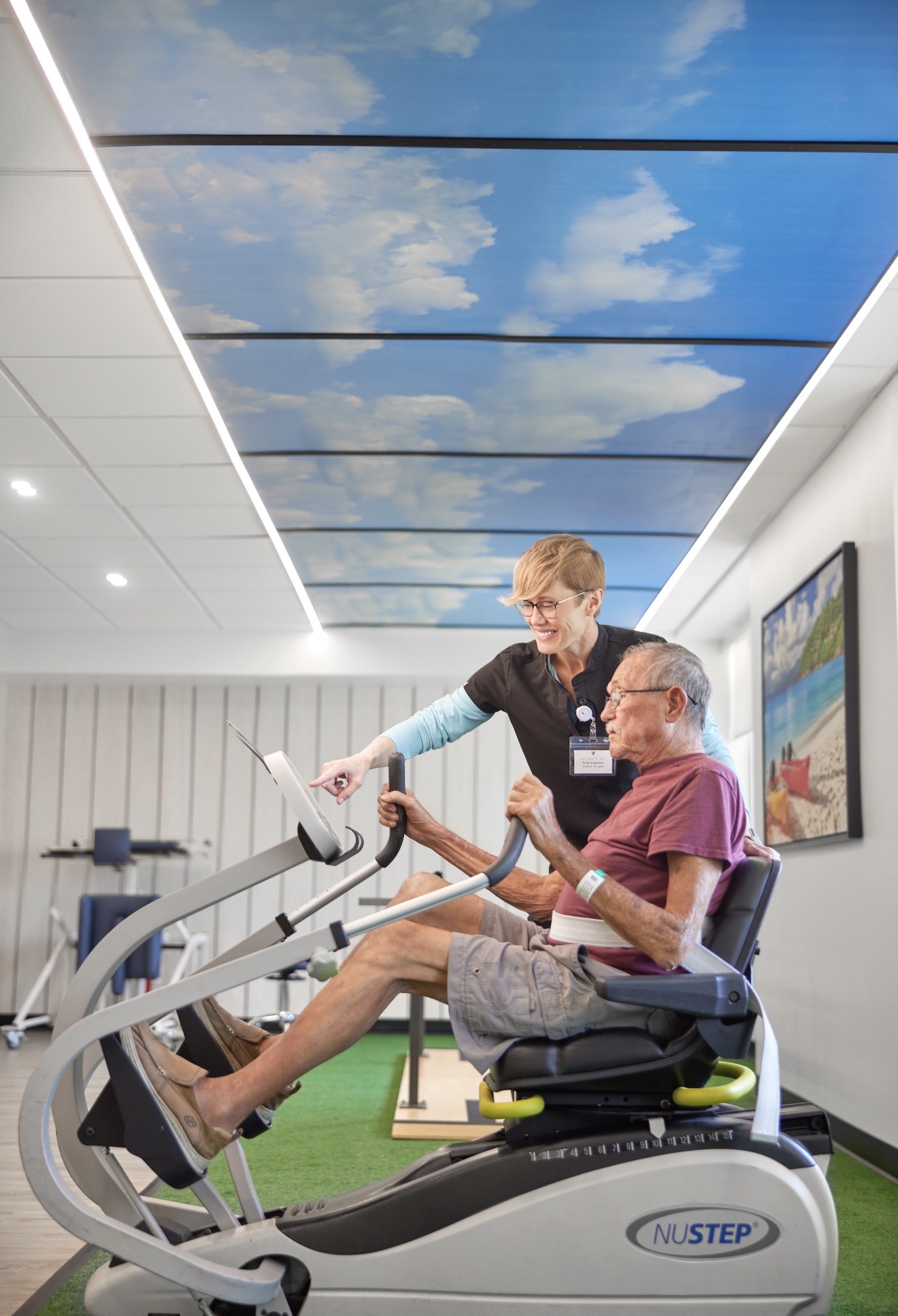
Most healthcare websites lean on stock photography.
Open the homepage of almost any skilled nursing facility, assisted living community, or post-acute provider in the country. You’ll see the same images. A smiling generic senior with a younger generic caregiver in soft-focus. A pair of hands holding a coffee mug. A walker in a hallway with no people in it. Stock photography from the same five image libraries everyone uses.
Families recognize it instantly. Hospital case managers recognize it. Prospective hires recognize it. Stock photography signals one thing to every audience that matters: this facility didn’t think it was worth showing the actual operation.
Real photography costs more upfront. It also pays back across years of campaigns, builds an asset library that compounds, and signals operational seriousness in a way no logo refresh ever does. This is the math we run with healthcare clients, and why we shot every image of the Village Place rebrand from scratch in the building.
What stock photography actually communicates
A family searching for a skilled nursing facility for a parent at 11 PM is doing pattern recognition. They’ve looked at six websites in the last hour. They’re scared, exhausted, and trying to make a decision under terrible cognitive conditions.
Stock photography reads as a tell. The grandmother in the soft-focus shot doesn’t actually live in this facility. The therapist with the perfect smile doesn’t actually work here. The room in the photo isn’t actually a room in this building. The family understands this without consciously thinking about it. Their brain registers the gap between “what this facility says” and “what this facility shows” as a small red flag.
Multiply that across five other red flags they’ve collected over the past hour, and the decision tilts toward whichever facility had the warmest first phone call.
The cost of stock photography isn’t financial. It’s the conversion you don’t get because the family didn’t trust the images.
The economics of real photography
A complete photography shoot for a skilled nursing facility typically runs $5,000-$15,000 depending on shoot length, photographer, and post-production scope. That covers a day or two of shooting, with output that includes:
- Lobby and common area photography
- Resident rooms (with permission, real residents or empty)
- Therapy gym and rehab equipment in use
- Staff portraits (admissions, nursing, leadership, dietary)
- Care moments (therapy sessions, meal service, family interactions)
- Exterior shots and architectural details
- Hospitality items (welcome card, dining menu, bath set)
For a single-facility rebrand, that library covers the website hero, every facility-specific page, the brochure, the family welcome packet, the hospital referral materials, the social channels, the recruitment campaigns, and roughly two years of monthly campaigns afterward.
The amortization math is straightforward. A $10,000 shoot, used across 50+ marketing assets and refreshed every two years, costs roughly $200 per asset. A facility filling 100 beds with that photography library has paid the shoot back many times over inside the first census cycle.
Stock photography costs $0 per image but also returns $0 in trust. The arithmetic only looks favorable until you measure conversion.
What real photography actually changes
Across multiple healthcare rebrands we’ve shipped, real photography moves three things:
Tour conversion. Families who see real photography of the building book tours at higher rates than families who see stock. The signal is “this is a real place run by real people” rather than “this could be anywhere.”
Hospital referral conversion. Case managers send patients to facilities they trust. Real photography of the rehab gym, the staff, and the operations is what builds that trust. Stock photography signals the opposite.
Recruitment. Prospective CNAs, RNs, and therapists check a facility’s website and social channels before applying. Stock photography signals a place that doesn’t invest in its own image. Real photography of the team at work signals the opposite.
The conversion lift is typically 15-30% across these channels for facilities switching from stock to real photography. That math works in any rebrand budget.
What we shot at Village Place
For Village Place, we approached the photography as an asset library rather than a one-time shoot. The brief was: every image used across every campaign for the next two years should come out of this single production.
The shoot covered:
- The lobby with the receptionist at the desk, shot mid-day with natural light
- Three-team portraits at reception under the brand wall
- Group portraits of the full staff
- Care moments in the therapy gym: a NuStep session, parallel bars walking practice
- Real residents, with permission, in real recovery
- Staff portraits for the identity badges (Victoria, Joshua, Shane, N’keyma)
- Hospitality items shot as still life: welcome card on the mustard cushion, bath set with mat and slippers, dining menu shot from above with a baguette, bath amenities, gift bag and stationery
- Architectural details, the sky-mural ceiling in the rehab gym, the brand applications on signage and walls
The library generated over 200 finished images that have been used across the website, the social channels, the hospital referral packets, the family welcome materials, the print collateral, and the recruitment campaigns.
The single best image in the library is the recovery shot, an amputee resident on the parallel bars under the sky-mural ceiling, working with his therapist. That image alone has done more conversion work than any other asset in the project. It’s now the hero of the case study and the most-shared visual when Village Place gets discussed in industry conversations.
What gets photographed, in what order
If you’re scoping a healthcare photography shoot, here’s the priority order we use:
- Care moments first. Real therapy, real interactions, real residents (with permission). These are the highest-leverage images and the hardest to fake.
- Staff portraits second. Headshots for the website team page, the badges, the social channels. Treat these as their own setup with a controlled background.
- Architectural and environmental third. Lobby, common areas, dining room, rehab gym. Empty rooms are weak; aim for rooms with people in them when possible.
- Hospitality and brand applications fourth. Welcome card, dining menu, bath set, gift bag, signage. These shoot quickly and look beautiful.
- Exteriors last. A few hero exterior shots are useful; don’t over-budget here.
Most healthcare facilities photograph these in the wrong order (exteriors first, care moments last) and run out of budget before the most important shots happen.
What this means for your rebrand
If you’re a skilled nursing operator, an assisted living community, or any healthcare facility considering a rebrand, the question to ask isn’t “do we need new photography.” The question is: how much of the current photography on the website is stock?
If the answer is more than 20%, the rebrand will not deliver. Real photography is one of the most under-prioritized line items in healthcare rebrand budgets and one of the most consequential.
The investment is real. The return is also real. And the asset library compounds for years.
If you want to scope a photography shoot as part of a rebrand, a relaunch, or a new facility opening, we should talk. The case study photography from Village Place is here. Every image was shot on-site, no stock, and the library has done years of work since.
Frequently asked questions
- Why does stock photography hurt healthcare website conversion?
- Families searching for a skilled nursing facility recognize stock photography instantly. The grandmother in soft focus doesn't actually live in this facility. The therapist with the perfect smile doesn't actually work here. Their brain registers the gap between 'what this facility says' and 'what this facility shows' as a small red flag. That tilts decisions toward facilities that show real photography of real operations.
- How much does a skilled nursing facility photography shoot cost?
- A complete on-site shoot for a single skilled nursing facility runs $5,000-$15,000 depending on shoot length, photographer, and post-production scope. The output covers the website, brochure, family welcome materials, hospital referral packets, social channels, recruitment campaigns, and roughly two years of monthly campaigns. Amortized across 50+ marketing assets, the cost per asset is roughly $200.
- What should be photographed during a healthcare facility shoot?
- In priority order: care moments (real therapy sessions, real interactions, real residents with permission), staff portraits, architectural and environmental shots (with people in them when possible), hospitality items (welcome card, dining menu, bath set), and exteriors last. Most facilities shoot exteriors first and run out of budget before the most important shots happen.
- How often should facility photography be refreshed?
- Every 2-3 years for the hero website images and any campaign-ready material. Staff turn over, residents change, equipment changes, finishes age. The asset library should be photographed once per major rebrand and refreshed at the cycle that matches your campaign rhythm. Plan for the refresh into the budget. The asset library compounds when it's kept current.
Show your building like it deserves.
Your real building, your real people, photographed well, beat stock every time. This class shows how to direct on-site photography that families trust and your whole brand can use.