Senior living facility film: what hospital case managers actually want to see
Most senior living facility films are the same: drone shot, slow piano, smiling residents. They don't move admissions. Here's what a facility film needs to do to actually convert hospital referrals and family inquiries, and how we built one for Village Place that filled 104 beds in 4 months.
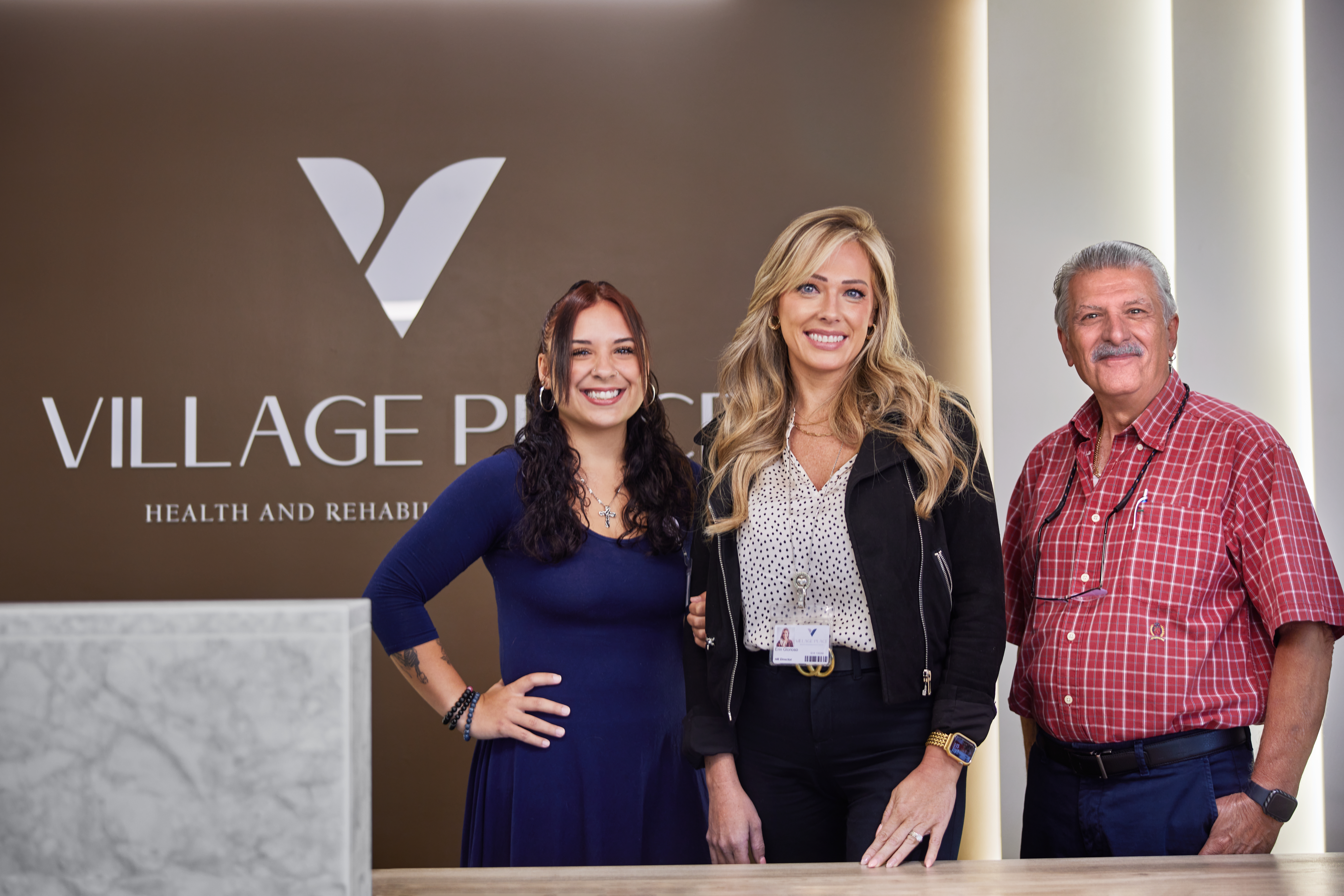
Most senior living facility films are interchangeable.
Drone shot of the building. Slow piano. Smiling residents in soft focus. Voiceover about “compassionate care” and “a place to call home.” Two minutes long. Plays at the bottom of the website where nobody scrolls.
These films don’t convert. They don’t close hospital referrals, they don’t move family inquiries, and they don’t earn the budget back. We’ve watched dozens of them get made and shelved within 18 months.
A facility film does its job when it replaces the in-person tour for the 80% of decision-makers who aren’t going to drive out. That’s the brief. Everything else is decoration.
Here’s what we’ve learned from running facility films across multiple skilled nursing networks, and what we did differently on Village Place, where the film became the single highest-leverage asset in a relaunch that filled 104 beds in 4 months from a flooded shell.
Who the film is actually for
A senior living facility film has three audiences, and they want three different things:
Hospital case managers want to know if your facility is safe to refer to. They’re under time pressure. They want to see the rehab gym, the staffing levels, the nursing station, and a sense of how the building runs. Soft focus and piano music tell them nothing. Real footage of therapy sessions, real interactions between staff and residents, real glimpses of the operation. That’s what builds the trust they need to send a patient.
Adult children of prospective residents want to know if their parent will be okay. They’re scared and overwhelmed. They’ve watched bad nursing home videos on the news. They want to see warmth, dignity, and competence. They want to see staff who look like they care, residents who don’t look medicated, and a building that doesn’t feel institutional.
Prospective hires are the third audience nobody designs for. A good facility film recruits CNAs, RNs, and therapists. They watch the same film the families watch. If the film makes the operation look like a place worth working, your recruiting funnel improves.
Every shot in the film should be doing work for at least one of these three audiences. Most facility films aren’t built that way. They’re built to please leadership.
The shots that actually matter
Across the senior living facility films we’ve shipped, a few categories of footage do almost all the work:
Staff doing their jobs. Not staged smiles. Not “B-roll of nurses walking down hallways.” Real footage of a therapist coaching a resident through a NuStep session. A nurse checking vitals. A dietary aide plating a meal. The unposed work is the most credible thing you can put on screen.
Residents in real moments. A resident laughing during physical therapy. A family member talking to mom in her room. A group at lunch. Anything that shows residents as people, not patients. The single best clip in the Village Place film is an amputee resident on the parallel bars under the sky-mural ceiling, working with his therapist. That clip alone closed referrals.
The building, with people in it. Empty-room shots of the lobby, the dining room, the rehab gym are weak. The same rooms shot during operations (with staff, residents, family members in them) are strong. The building isn’t the product. The operation inside it is.
Leadership on camera. A short, unscripted conversation with the administrator or DON about what makes the facility different. Not a polished testimonial. A real conversation, edited tight. Hospital case managers especially want to see the people running the operation.
What doesn’t matter, despite agencies pushing it: drone footage of the building exterior, scripted resident testimonials read off a teleprompter, slow-motion shots of flowers in the courtyard, and inspirational voiceover. Cut all of it.
Why most facility films fail
The common pattern: an operator hires a videographer who does a good job filming, but no one is directing the strategic question of what story is this film telling. The result is a beautiful 90-second piece that doesn’t help close anything.
The second pattern: the film is too long. A facility film over 2 minutes loses 70% of its viewers. The right length for the version on the website is 60-90 seconds. Longer cuts can live on YouTube for the deep-research families who want them, but the hero version on the homepage and admissions page should be tight.
The third pattern: the film is shot once and never updated. A senior living video tour from 2020 is a liability by 2026. Staffing has changed. Equipment has changed. The dining room got renovated. The building looks dated on screen even if it isn’t in person. Plan for a refresh every 2-3 years minimum.
What a facility film actually replaces
Here’s the math that justifies the budget. A skilled nursing facility loses 60-80% of online inquiries before they ever schedule a tour. The drop-off happens because families can’t picture the place from photos and copy alone. They get scared, they get distracted, they call three other facilities, they go with whichever one had the warmest first phone call.
A facility film closes that gap. It gives the family a 90-second virtual tour that they can show to siblings, share with the hospital social worker, and watch at 11 PM when they’re trying to make a decision. It buys you trust at the highest-friction moment of the funnel.
For Village Place specifically, the film was used in:
- The admissions team’s email replies (linked in every initial response)
- The website hero, on autoplay-muted with a sound toggle
- Hospital case manager outreach packets
- Family WhatsApp threads (the file gets passed around)
- Recruitment campaigns on LinkedIn and Indeed
One asset, deployed across every channel that mattered. The cost amortizes across all of them.
The Village Place film: what we did
We shot the Village Place facility film with Laibel Schwartz Photography, one of the best in healthcare. The decision to bring in Laibel rather than a generic videographer was the single highest-leverage choice we made on the project. Healthcare facility film is a specialty. Most videographers don’t know how to direct staff who are trying to do their jobs while being filmed, or how to capture residents with dignity, or how to read a clinical environment for what’s safe to film and what isn’t.
The footage came back tight, warm, and operational. Real therapy sessions. Real staff conversations. Real residents in real moments. The piece runs under 90 seconds in its primary cut and earns every second.
Watch it on the Village Place case study. It’s the centerpiece of the digital rollout and the single asset that closed the most referrals during the four-month census ramp.
If you’re commissioning a facility film
A few rules that have held up across every project we’ve shipped:
- Hire a healthcare specialist, not a generalist videographer. The category knowledge matters more than the gear.
- Spend the strategic time before you spend the production day. Decide what the film is for and who it’s serving before anyone shows up with a camera.
- Cut ruthlessly. Every shot earns its place or it goes.
- Plan for the refresh. Build the photography library and B-roll archive during the shoot so you have material for years of campaigns afterward.
- Distribute across every channel. A facility film on the website only is a wasted asset.
A facility film, done right, replaces tours, closes referrals, recruits staff, and earns its budget back inside a single census cycle. Done wrong, it sits on YouTube with 14 views.
The difference is strategic direction, not production value.
If you’re a skilled nursing operator looking at a facility film as part of a rebrand or a relaunch, we should talk. It’s one of the more leveraged investments in the marketing stack, and the difference between a film that works and a film that doesn’t is the difference between a 4-month census ramp and a 14-month one.
Frequently asked questions
- How long should a senior living facility film be?
- The hero version on the website and admissions page should run 60-90 seconds. Films over 2 minutes lose 70% of their viewers. Longer cuts can live on YouTube for deep-research families, but the primary asset on the website should be tight.
- What should a facility film actually show?
- The shots that move admissions are: staff doing real work (not staged), residents in real moments, the building with people in it (not empty rooms), and a short unscripted conversation with leadership. What doesn't matter despite agencies pushing it: drone footage of the exterior, scripted resident testimonials, slow-motion shots of flowers, and inspirational voiceover.
- How much does a senior living facility film cost?
- A complete facility film with on-site production, multi-camera setup, and post-production typically runs $8,000-$25,000 depending on shoot length, photographer, and the scope of edited cuts produced. Healthcare specialists like Laibel Schwartz Photography sit at the higher end and deliver work most general videographers cannot.
- Who is the audience for a skilled nursing facility film?
- A facility film has three audiences with three different needs. Hospital case managers want to see the rehab gym, staffing levels, and how the building runs. Adult children want to see warmth, dignity, and competence. Prospective hires (CNAs, RNs, therapists) watch the same film and decide whether the facility is worth working at. Every shot should serve at least one of these three.
- How often should a facility film be refreshed?
- Plan to refresh a senior living facility film every 2-3 years at minimum. Staffing changes, equipment changes, dining rooms get renovated, and the building looks dated on screen even when it isn't in person. A 2020 facility film is a liability by 2026.