Branding a trophy real estate asset: what premium developers get wrong
How major real estate developers should think about brand on flagship assets, why most luxury development branding underperforms, and what a properly scoped brand engagement on a trophy project actually looks like.
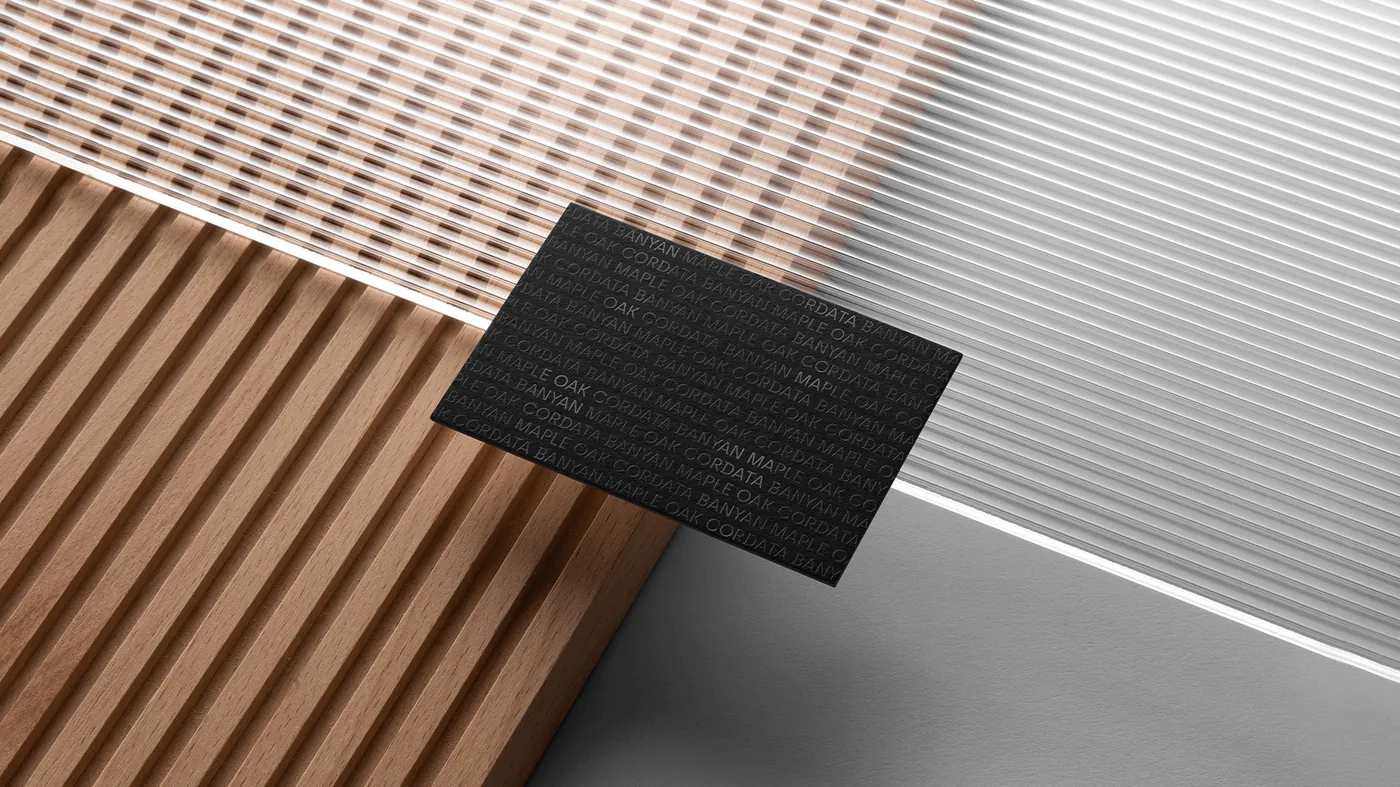
There is a particular failure mode that shows up on premium real estate developments: Manhattan trophy condominiums, Miami branded residences, Los Angeles boutique luxury towers, the major mixed-use developments shaping the most active markets in the United States. The architecture is world-class. The interiors are by a name firm. The construction budget is comfortable. And the brand work, when it eventually arrives, is treated like a procurement line item handed to whoever the development team’s last project used.
The result is a building that reads more expensive than it presents. The sales gallery is generic. The collateral feels like every other luxury development in the market. The pre-marketing campaign borrows the same vocabulary the next four developments down the avenue are also using. And the asset, somehow, fails to command the rent or sale premium the underlying real estate justifies.
This is the trophy asset branding problem, and the developers who solve it earn meaningfully more on every floor.
The category most developers underestimate
Branding a trophy asset is its own discipline. It is not the same as branding a residential development. It is not the same as branding a commercial property. It is not the same as creating a logo for a building. Trophy asset branding sits inside a small set of considerations that compound on each other and that reward serious thinking from the earliest stages of the project.
The trophy asset has buyers or tenants who could go anywhere. They are not choosing between this property and one across the street. They are choosing between this property and a different city, a different season’s inventory, a different developer’s pipeline. The brand has to compete in that market, not in the local one.
The trophy asset has a window. The pre-construction marketing period, the launch event, the broker-tour cycle, the press cycle, the first occupancy moments. These compound or they decay. A brand that arrives at month thirty cannot fix a positioning that was set at month six.
The trophy asset has alignment problems most projects do not. The development team, the architect, the interior firm, the landscape architect, the leasing or sales team, the marketing partner, the press team. Six or seven creative perspectives that have to read as one composition or the project visually fragments. Most of the time they do.
This is the work that separates trophy assets that command premium rents and sale prices from the ones that quietly trade at the same range as their neighbors.
What premium developers consistently get wrong
Five mistakes show up on almost every luxury or trophy project we audit before being engaged.
Treating brand as marketing
Brand and marketing are different disciplines, and on a trophy asset the distinction matters. Marketing is what fills the building. Brand is what determines whether the building can ask for the price that justifies the marketing budget. Developers who collapse the two into one procurement decision tend to hire marketing firms to do brand work, which is roughly equivalent to hiring a structural engineer to design the facade. The skill sets adjoin. They are not the same.
Sequencing brand after architecture
The brand decisions and the architectural decisions inform each other. The name affects the signage. The signage affects the facade. The positioning affects the lobby. The audience affects the amenity layout. When the brand work begins after the architecture is locked, the brand is forced to react to decisions it should have informed. Every reaction costs either money or compromise.
Hiring the wrong scale of partner
Premium development brand work requires a partner who has done premium development brand work. This is harder to find than it sounds, because the field is occupied by two adjacent categories that look similar from a distance. There are luxury consumer branding firms, who do beautiful work for fashion and hospitality but do not understand commercial real estate. There are real estate marketing firms, who understand the industry but produce work that looks like real estate marketing. The right partner has done both, and the portfolio reflects it.
Underspending the launch
Trophy assets get one launch. The opening event, the press strategy, the broker reception, the first wave of marketing materials. The launch sets the perception that defines the next twenty-four months of leasing or sales. Underspending the launch by 20 percent does not save 20 percent. It drops the perception of the asset by a category, and recovering that perception costs multiples of what the savings produced.
Ignoring the post-launch decay
A trophy asset is a living brand for the duration of leasing or sales, and often well beyond. The materials, the events, the digital presence, the media relationships, the broker engagement. All of it requires ongoing attention. The brand engagement that ends at delivery is the brand engagement that produces a slow-velocity sellout instead of a launch-quarter sellout.
What good actually looks like
A properly scoped brand engagement on a trophy asset starts at programming and ends at stabilization. The major work blocks include the strategic positioning of the asset relative to its competitive set, naming and verbal identity, visual identity system, the sales or leasing experience, the digital presence and pre-launch site, the launch campaign, the press strategy, the broker materials, the on-site signage and wayfinding, and the post-launch ongoing program.
The deliverables matter, but the deliverables are not the work. The work is the discipline of holding the brand consistent across every surface the buyer or tenant touches between first awareness and signed contract. That is dozens of surfaces. The decay rate of brand quality across them is what separates a trophy asset that prices like a trophy asset from one that prices like its neighbors.
We have written separately on how to name a major real estate development and on the pre-launch leasing site for premium developments, which together cover the two surfaces most developers underweight in their brand budget.
The compounding question developers should ask
There is one question that determines whether the brand budget on a trophy asset will return its cost. The question is not “how much should we spend on branding.” The question is “what is the price elasticity of this asset, and what brand work shifts that elasticity favorably.”
A residential trophy asset where a 4 percent price improvement produces an additional $40 million across the unit count justifies a meaningful brand investment. A commercial trophy asset where a $5 per square foot rent improvement compounds across a thirty-year hold justifies the same. The brand budget is not an expense against the construction cost. It is a lever on the asset’s terminal value.
Developers who run this calculation seriously almost always end up spending more on brand than they originally scoped, and earn more on the asset than the additional spend.
The trophy asset and the developer’s portfolio
There is a second-order effect on trophy asset branding that the largest developers understand and the rest tend to miss. The trophy asset is also a brand statement for the developer. The next acquisition, the next equity raise, the next institutional partner, the next municipal approval. All of these are influenced by what the market thinks of the developer’s last completed project.
A trophy asset that presents at the level its real estate justifies does double duty. It performs as a project, and it elevates the developer’s standing in the market. A trophy asset that underperforms its real estate does the opposite. The capital partners notice. The municipalities notice. The next opportunity becomes harder to win.
This is the strategic reason premium developers should spend on brand at the trophy level. The asset is not the only thing being built. The developer’s reputation is being built alongside it.
What to do if you are mid-project
For developers reading this with a trophy asset already in design or construction, the recovery path depends on where the project is in the timeline. The earlier the brand work joins, the more compound value it returns. But the late-stage intervention still works, particularly on the launch and the post-launch program where most of the perception is set.
We have detailed the full discipline in our pillar guide on real estate development branding, which is the canonical resource we point developers to for the strategic frame. The One Park Way case study walks through a real engagement at the project level.
For developers actively scoping a trophy project and looking for a brand partner, inquire. The trophy category is where we do our most demanding work.